Mapping a crisis that looks different depending on where you stand
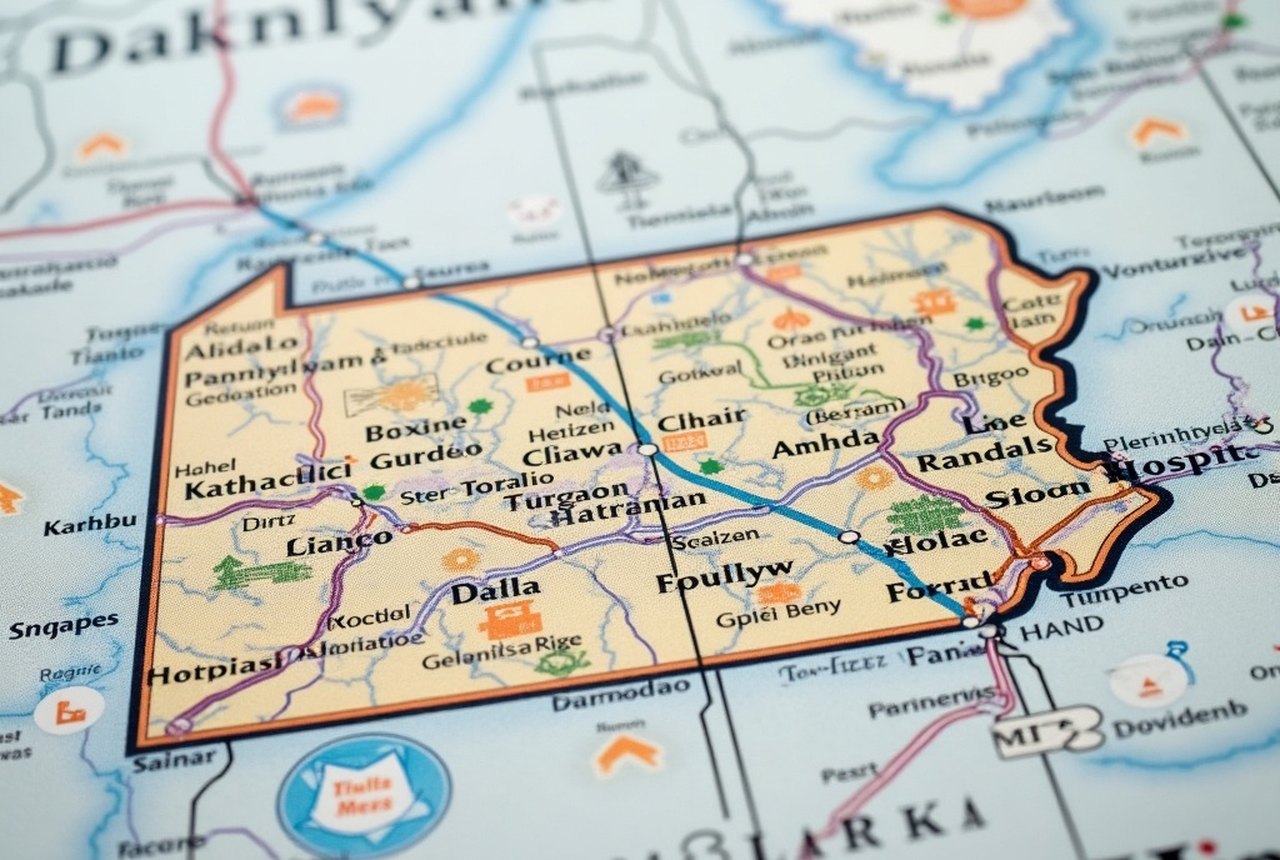
Pennsylvania's drug overdose crisis has never been uniform. The statewide death toll grabs headlines, but the county-by-county breakdown from the Pennsylvania Department of Health ↗'s drug-surveillance dashboard tells a more complicated story — one in which geography, demographics, and available treatment infrastructure shape survival chances as much as the drugs themselves.
The Commonwealth has consistently ranked among the hardest-hit states in the nation. Federal data from the CDC places Pennsylvania in the same grim tier as West Virginia, Kentucky, and Mississippi when measuring overdose mortality rates. But averages obscure the variation within the state's sixty-seven counties, where rates per hundred thousand residents can differ by an order of magnitude between a dense urban district and a rural one.
What the dashboard reveals — and what it doesn't
The Department of Health publishes provisional and finalized overdose death counts through its surveillance tools, broken down by county of residence. Fentanyl and fentanyl analogues dominate the toxicology findings statewide, reflecting a national shift in the illicit drug supply that accelerated in the late 2010s and has not reversed. Polysubstance deaths — where multiple substances are detected — have grown as a share of total fatalities, complicating simple narratives about any single drug.
The Department of Health publishes provisional and finalized overdose death counts through its surveillance tools, broken down by county of residence.
Philadelphia consistently reports the highest raw death count in the Commonwealth. The city's dense population partially explains that, but its rate per hundred thousand residents has also remained among the state's highest, driven by concentrated poverty, housing instability, and a street supply heavily contaminated with xylazine2 — a veterinary sedative that does not respond to naloxone. West Philadelphia and Northeast Philadelphia have been particular focal points for community-based response organizations tracking overdose clusters.
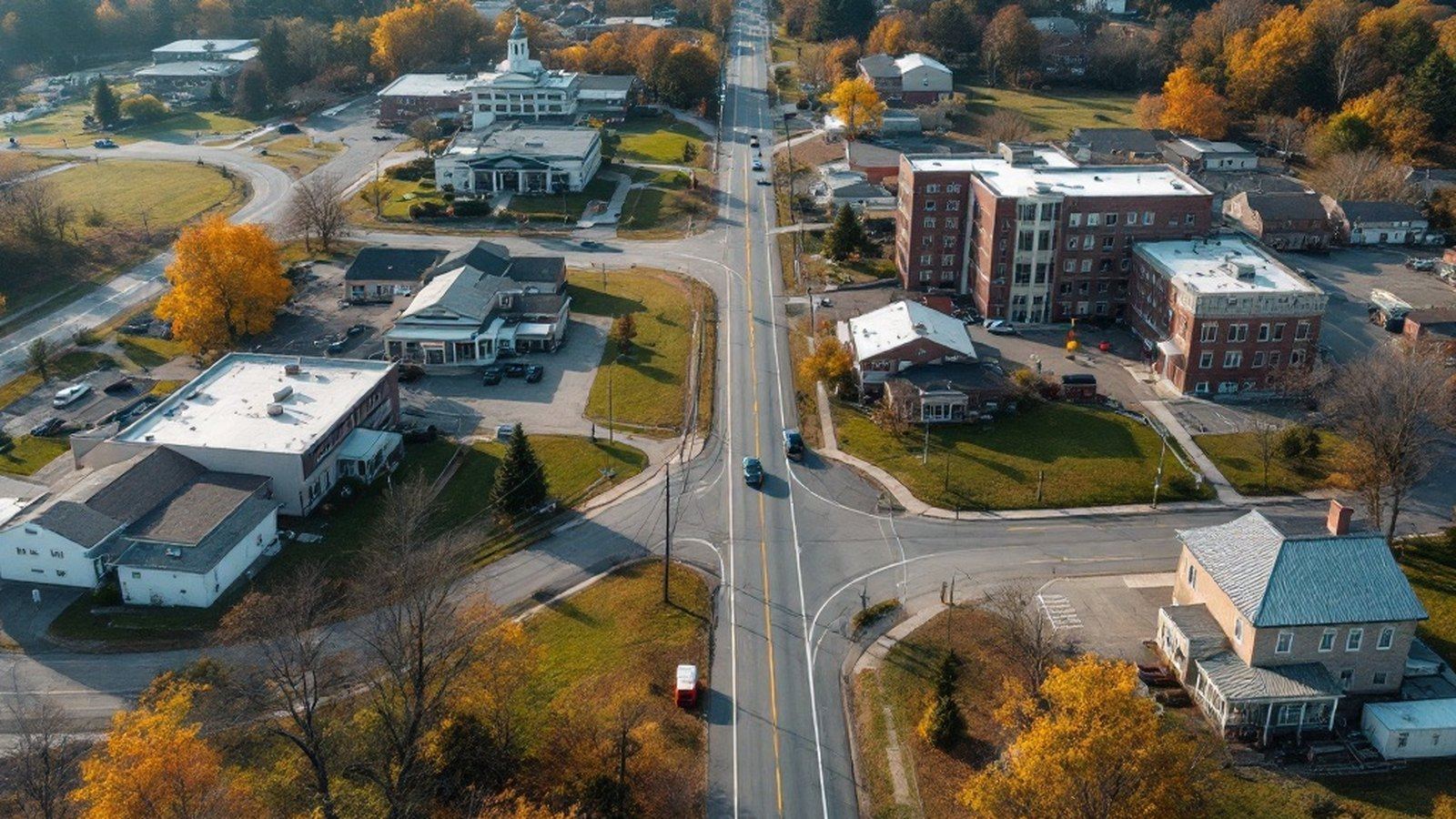
Philadelphia is not alone in carrying a disproportionate burden. Counties in southwestern Pennsylvania, parts of the Lehigh Valley including Allentown's surrounding area, and communities in Bucks County have all reported elevated rates in recent years. Lewistown, in Mifflin County, represents the kind of small-city geography that surveillance data often underrepresents: a community with limited specialty treatment capacity, a single major hospital in Lewistown Hospital, and a population that faces long travel distances to reach intensive care or residential programs.
Centre County and Lancaster County — home to Penn State's main campus and a substantial healthcare infrastructure anchored partly by Lancaster General Health ↗, respectively — show how institutional presence can shape outcomes. Neither is immune to overdose deaths, but both benefit from comparatively stronger health system density than many rural peers.
The dashboard's limitations deserve acknowledgment. County-of-residence figures differ from county-of-death figures, and rural counties can see their numbers distorted by small population denominators, where a handful of deaths produces a high rate. Reporting timelines mean the most recent months are always provisional, subject to revision as medical examiner reports are finalized. The Behavioral Risk Factor Surveillance System and the National Health and Nutrition Examination Survey provide complementary behavioral data at the state level, but neither delivers the county granularity that local health departments and journalists need for meaningful accountability.
Why the map matters for policy
The geographic distribution of overdose deaths is not merely statistical; it is an argument about resource allocation. Pennsylvania's Department of Human Services administers Medicaid-funded behavioral health6 services through managed care, and where you live shapes which plans are available, which providers are in-network, and how quickly you can access medication-assisted treatment4. Rural counties where primary-care shortages are sharpest are often the same counties where addiction medicine specialists are absent entirely.
Advocates including AARP Pennsylvania and regional chapters of the Pennsylvania State Grange have pressed the state to address access disparities in rural communities, recognizing that overdose is as much a structural problem as a clinical one. Telemedicine has offered a partial bridge — providers can now initiate buprenorphine prescriptions via video visit — but the broadband gap5 in rural Pennsylvania limits who can actually use that option.
The county data, imperfect as it is, remains the best available lens for asking hard questions: Why do two adjacent counties diverge so sharply? Where is treatment capacity genuinely inadequate? Which communities have been left to absorb a crisis with insufficient support? Those questions demand answers from Harrisburg, not just from the dashboard.
Who appears in this story
Notes on this story
- Fentanyl analogue. Synthetic opioid chemically similar to fentanyl, often more potent.
- Xylazine. Veterinary sedative increasingly found in illicit drug supply; naloxone-resistant.
- Polysubstance death. Overdose fatality involving multiple detected substances.
- Medication-assisted treatment. Use of FDA-approved drugs to treat opioid use disorder.
- Broadband gap. Lack of adequate internet access limiting telehealth use in rural areas.
- Behavioral health. Field addressing mental health and substance-use disorders.