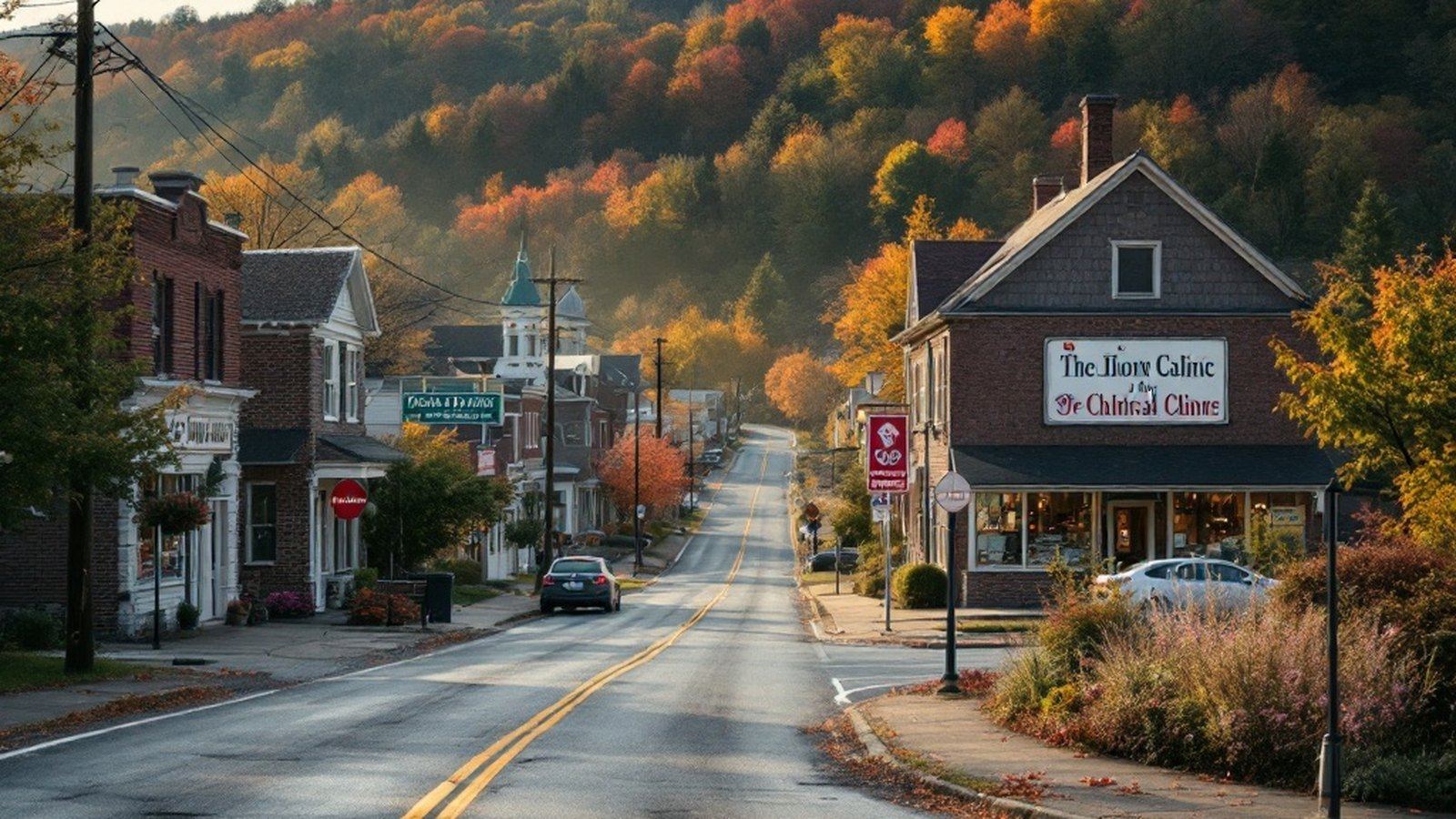
State and federal surveillance data reveal a persistent divide between Pennsylvania's cities and its rural communities — one that maps almost perfectly onto access, income, and opportunity.
The Numbers, and Where They Come From
Pennsylvania's adult obesity rate has climbed steadily over the past two decades, and the Commonwealth now sits in roughly the middle of the national pack — but that statewide average obscures wide variation within its own borders. The two primary sources researchers and policymakers rely on are the CDC's Behavioral Risk Factor Surveillance System1, a state-by-state telephone survey conducted annually, and the National Health and Nutrition Examination Survey2, which uses direct physical measurement rather than self-reporting. Because BRFSS depends on what respondents say about their own height and weight, it tends to undercount true obesity prevalence — meaning the real gap between Pennsylvania's healthiest and least-healthy counties is likely larger than any published figure suggests.
What the data show consistently, across both sources: rural counties carry a substantially heavier burden than urban ones. That pattern holds nationally, and Pennsylvania is no exception.
Where the Divide Is Sharpest
In Philadelphia and its inner-ring suburbs — think the corridors around Penn Presbyterian Medical Center ↗ or the dense neighborhoods of West Philadelphia and Northeast Philadelphia — urban poverty and food access create their own obesity pressures. Rates in the city's lower-income zip codes rival some rural benchmarks, a reminder that the urban-rural framing is real but incomplete. Still, the most elevated county-level estimates in Pennsylvania tend to cluster in the state's northern tier, its coal and agricultural heartland, and the central regions anchored by places like Lewistown, in Mifflin County, where Lewistown Hospital serves a largely rural, lower-income population with fewer specialty resources.
Centre County — home to Penn State's main campus and a relatively young, college-educated population — records among the lower obesity estimates in the state. Bucks County, Lancaster, and parts of the suburban Philadelphia corridor generally track below the statewide mean. Move north or west, away from the major health systems and the economic gravity of the Philadelphia and Pittsburgh metros, and rates climb.
Pennsylvania's overall position matters for comparison. States like West Virginia, Mississippi, Kentucky, and Alabama consistently rank at the top of national obesity tables; Colorado anchors the lower end. Pennsylvania sits above the median but is not among the most-affected states. What that middle ranking conceals is the degree to which certain Pennsylvania communities — rural, economically distressed, with limited primary-care access — experience conditions that look more like Appalachian neighbors than like the Commonwealth's own southeastern corner.
What Drives the Gap
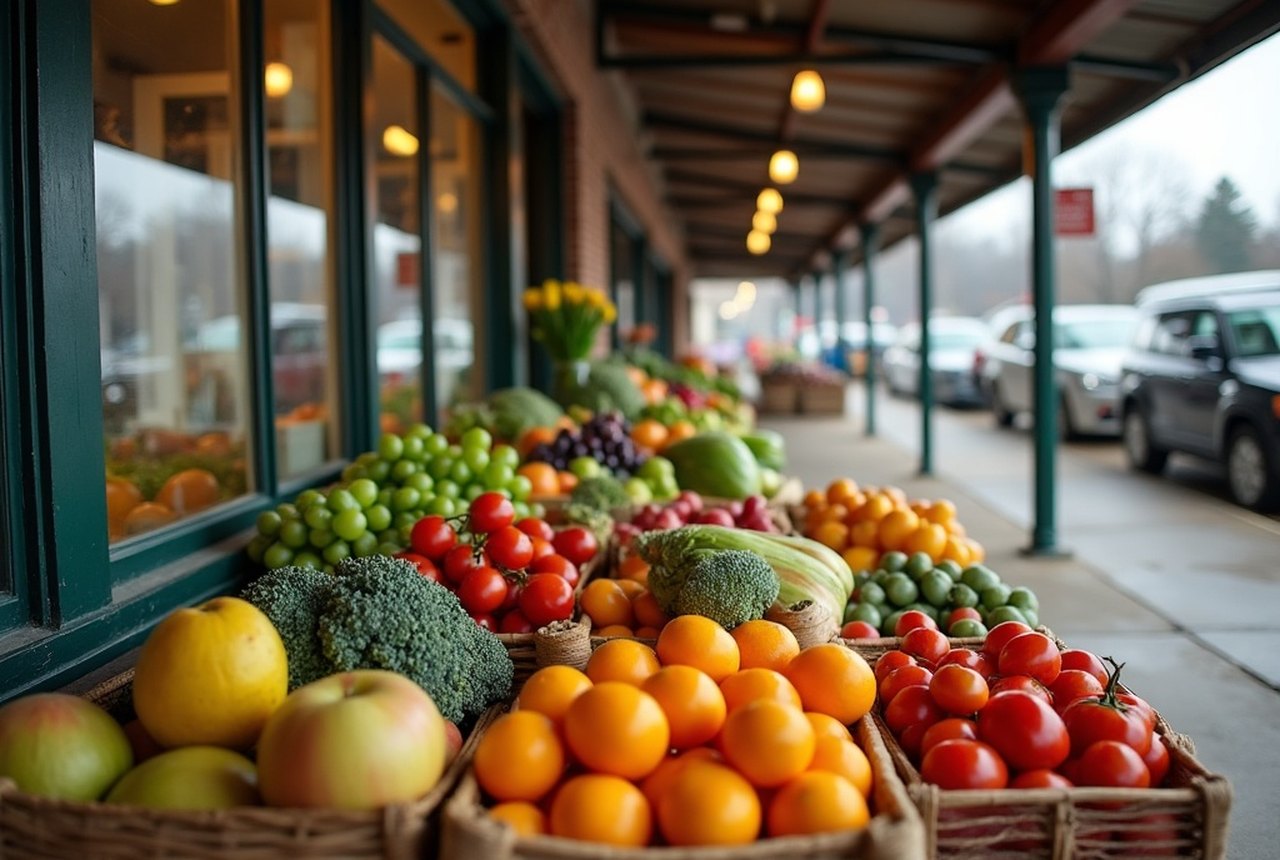
The underlying causes are familiar but stubborn. Rural Pennsylvania counties often lack the density to support full-service grocery stores, leaving residents in what researchers call food deserts. Primary-care shortages mean fewer preventive visits and less access to the clinical support — counseling, medication management, behavioral health referrals — that weight management increasingly requires. Transportation barriers compound the problem: a longer drive to a physician's office is also a longer drive to a gym, a farmers' market, or a specialist.
Rural Pennsylvania counties often lack the density to support full-service grocery stores, leaving residents in what researchers call food deserts.
Income and employment structure matter enormously. Communities built around industries that have contracted — coal, manufacturing, timbering — carry higher rates of economic stress, which correlates strongly with obesity through mechanisms that include both food insecurity and chronic psychological stress. The Child and Adult Care Food Program reaches some of the youngest and most vulnerable residents, but its reach does not extend to working-age adults navigating the same food environments.
Broadband access, an increasingly relevant factor as telemedicine and digital health tools expand, adds another layer. Rural Pennsylvanians with limited high-speed internet cannot as easily access virtual nutrition counseling or behavioral health support — a gap the Pennsylvania Department of Health and state policymakers have flagged but not yet fully resolved.
What This Means for Policy
The regional divide is not a fact of geography so much as a fact of investment. Where Pennsylvania has directed resources — clinical infrastructure, food access programs, economic development — health outcomes tend to be better. The state's uneven obesity map is, in a real sense, a map of uneven policy attention. That is something surveillance systems like BRFSS can illuminate but cannot, by themselves, fix.
Notes on this story
- Behavioral Risk Factor Surveillance System. CDC annual telephone survey tracking adult health behaviors by state.
- National Health and Nutrition Examination Survey. Federal study using direct physical measurement to assess health.
- Primary-care shortage. Insufficient primary-care physicians relative to a region's population needs.