Two policy decisions made several years apart — Medicaid expansion and enhanced ACA subsidies — explain most of Pennsylvania's progress on coverage.
How Pennsylvania Closed the Gap
Pennsylvania's uninsured rate has fallen to roughly 5.4 percent, one of the lower figures among large states and a striking change from the landscape that existed before the Affordable Care Act reshaped the rules of American insurance markets7. That number did not arrive by accident. It is the product of deliberate policy choices at the federal and state level, each building on the last, and it carries real consequences for the hundreds of thousands of Pennsylvanians who moved from uninsured to covered over the past decade.
The foundation was Medicaid expansion1. Pennsylvania joined the expansion in 2015 — later than the earliest adopting states like Connecticut and Massachusetts but early enough to see a full decade of results. Under the ACA2's expansion provision, eligibility extended to adults earning up to 138 percent of the federal poverty level, a threshold that brought in working-age adults who previously fell into a coverage gap: they earned too much for traditional Medicaid and too little to afford individual market premiums. The Pennsylvania Department of Human Services ↗ administers the expanded program, and enrollment grew substantially in the years that followed, particularly during the COVID-19 pandemic when continuous enrollment protections kept people from losing coverage mid-crisis.
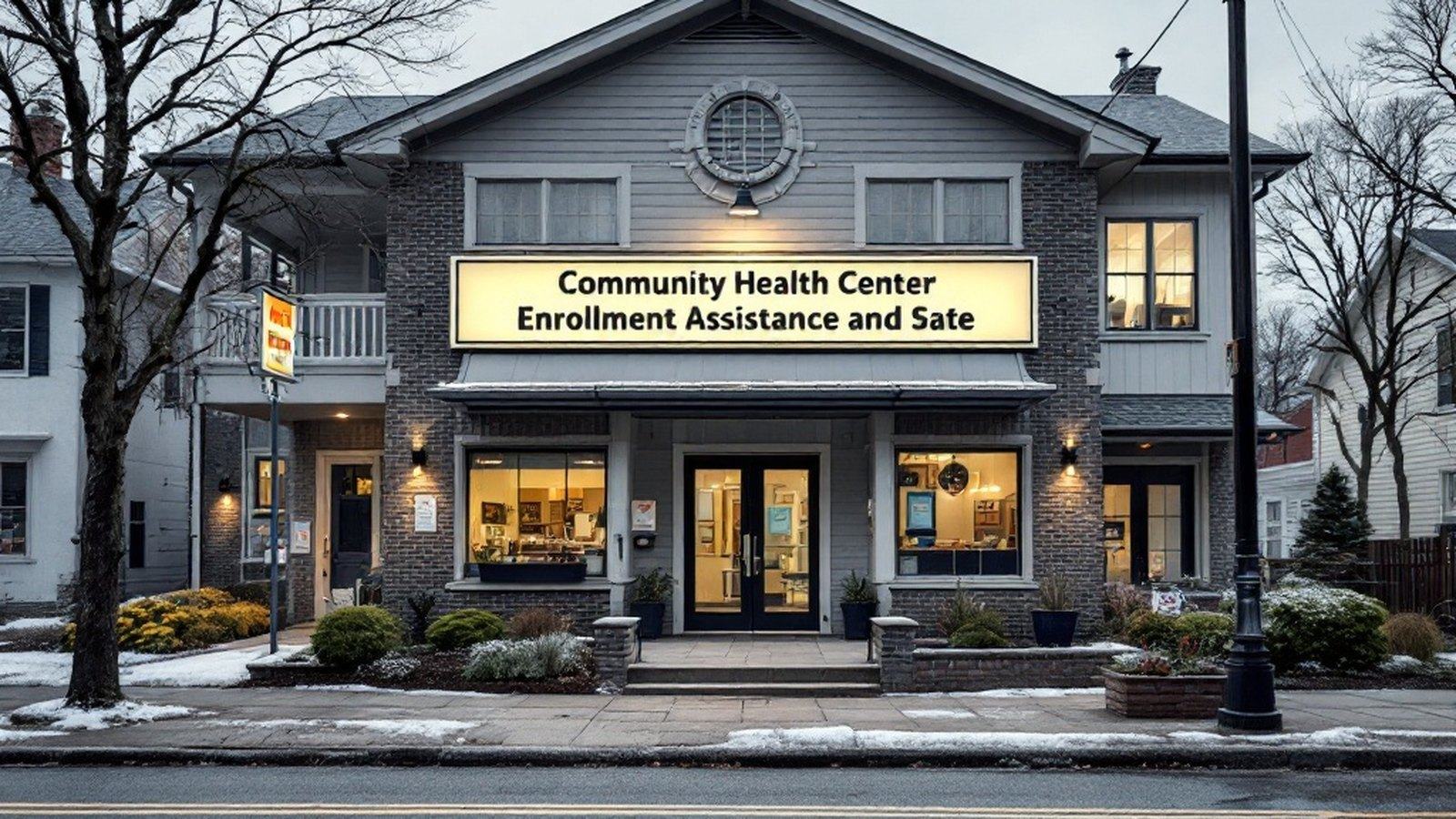
The marketplace side of the equation runs through Pennie ↗, Pennsylvania's state-based insurance exchange. Unlike states that rely on the federal HealthCare.gov platform, Pennsylvania made the deliberate choice to build its own exchange — a transition completed in 2021. That decision mattered for outreach. Pennie can invest its own operating revenue in navigator3 programs and enrollment assistance rather than routing that work through a federal structure. Navigators — trained, unbiased professionals who provide free enrollment help — are particularly important for reaching self-employed workers, gig economy earners, and people in rural counties like Centre County who may have limited access to employer-sponsored coverage and limited familiarity with subsidy options.
The second major policy lever arrived with federal legislation rather than state action. The American Rescue Plan Act of 2021 significantly enhanced ACA premium tax credits, and the Inflation Reduction Act of 2022 extended those enhancements through 2025. Together, they eliminated the income cliff that had left many middle-income Pennsylvanians — people earning between 400 and 500 percent of the federal poverty level — facing unsubsidized premiums they could not sustain. Under the enhanced structure, no enrollee is expected to spend more than a fixed percentage of household income on a benchmark plan, regardless of where they fall on the income ladder. Pennie enrollment figures rose noticeably in the years following those changes, reflecting both newly affordable options and improved public awareness.
Pennsylvania's geography complicates the picture. The state's rural counties face a version of the uninsured problem that subsidies alone cannot solve. In areas where the nearest hospital may be in Lewistown or a similar small-city hub, and where broadband access is inconsistent, even an insured resident may struggle to use coverage effectively. Policymakers tracking the 5.4 percent headline should note that uninsured rates are not distributed evenly: urban cores including parts of Philadelphia carry higher concentrations of uninsured residents, often among recent immigrants who are ineligible for Medicaid or marketplace subsidies regardless of income.
The Pennsylvania Insurance Department plays a regulatory role in keeping the individual market stable. Community rating5 rules under the ACA prevent insurers from pricing out sicker enrollees, and guaranteed issue4 requirements mean no applicant can be turned away based on health history. Both rules sustain the risk pool6 — the broader the enrollment, the more costs are shared across a mix of healthy and higher-need members — which in turn keeps premiums from spiraling in ways that would push healthier residents back out of the market.
What threatens the trajectory is straightforward: the enhanced subsidies expire after 2025 unless Congress acts again. Analysts at the American Academy of Actuaries and health policy researchers have consistently noted that subsidy cliffs produce immediate enrollment drops, because the affordability math changes sharply for households right at the eligibility margin. Pennsylvania cannot replicate those federal dollars at the state level without significant new revenue. How Washington moves — or doesn't — on subsidy extension will likely determine whether 5.4 percent holds, or climbs.
Who appears in this story
Notes on this story
- Medicaid expansion. ACA provision extending Medicaid to adults up to 138% of federal poverty level.
- ACA. Affordable Care Act; federal law expanding U.S. health coverage since 2010.
- Navigator. Trained professional providing free, unbiased health coverage enrollment help.
- Guaranteed issue. Insurers must sell coverage to any applicant regardless of health status.
- Community rating. Premiums cannot vary based on an enrollee's health history.
- Risk pool. Collective enrollees whose combined health costs determine premiums.
- Insurance markets. Systems where health coverage plans are sold to individuals and employers.