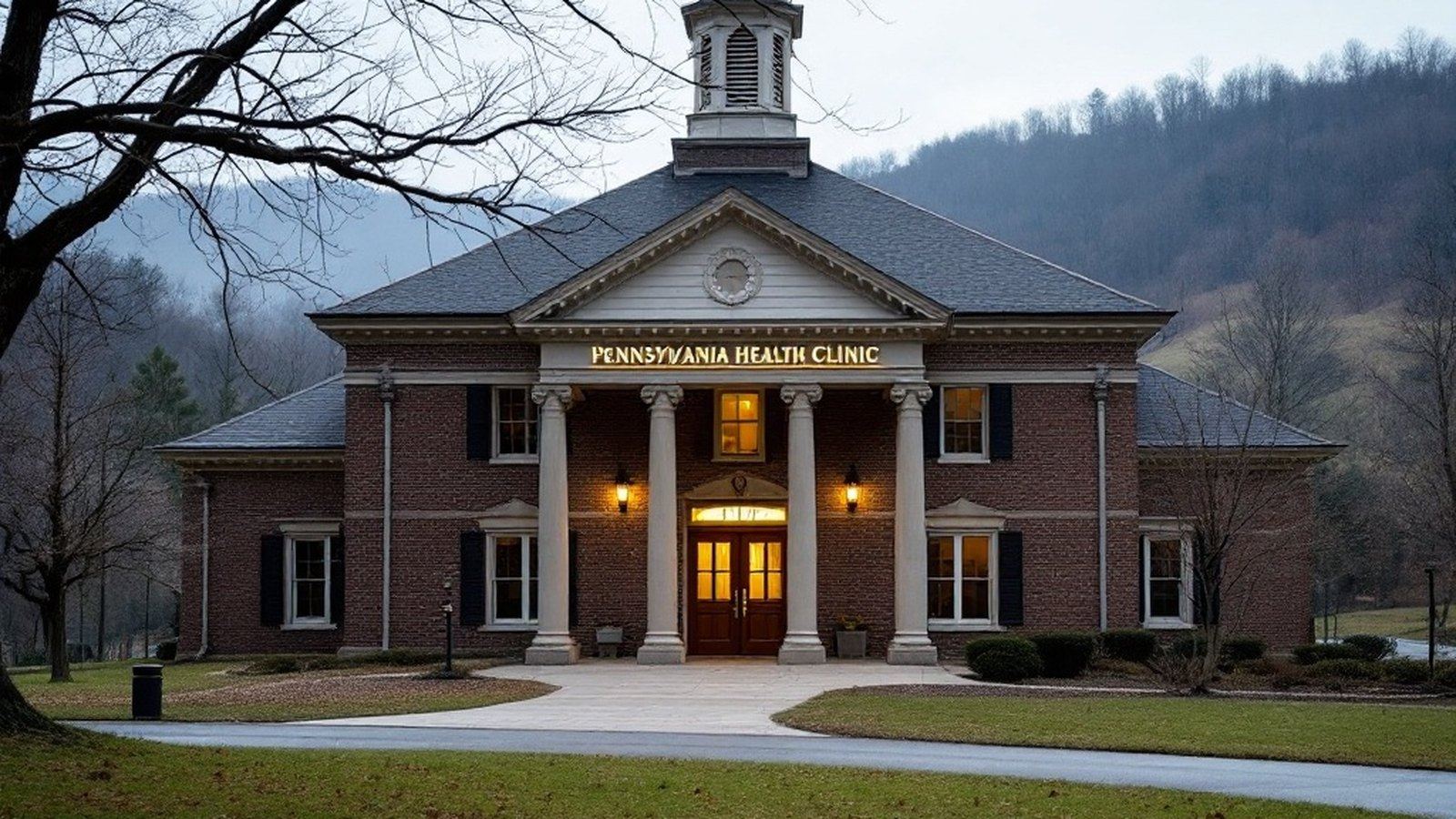
Most of the state's Medicaid enrollees don't deal directly with the government — they deal with one of five managed care companies. Here's how the map is drawn.
How the System Works
Pennsylvania covers more than 3.5 million residents through Medicaid1, but the Commonwealth doesn't run most of that coverage itself. Instead, the Department of Human Services contracts with private managed care organizations — MCOs — to deliver benefits to the vast majority of enrollees. The MCOs receive a monthly capitated payment2 per member from DHS, then take on the responsibility of paying providers, managing care, and meeting quality benchmarks the state sets. It's a model Pennsylvania has relied on for decades, and it shapes nearly everything about how low-income Pennsylvanians access doctors, specialists, and behavioral health4 services.
What makes it complicated for enrollees — and for advocates watching the system — is that which insurer a person gets, and what network that insurer has assembled, depends almost entirely on geography. Pennsylvania divides its Medicaid managed care program into regional zones, and not every MCO operates in every zone. Move from Centre County to Philadelphia, and you may be in a different insurer's territory entirely.
The Five Contractors
DHS currently contracts with five MCOs to cover the bulk of its Medical Assistance population under the HealthChoices5 program — the name Pennsylvania uses for its Medicaid managed care initiative.
Philadelphia is the single largest Medicaid market in the Commonwealth, so Southeast zone contracts carry enormous weight.
Amerihealth Caritas Pennsylvania is among the largest players by enrollment and operates across multiple zones statewide, with a particularly substantial presence in the Southeast zone, which covers Philadelphia and surrounding counties. Philadelphia is the single largest Medicaid market in the Commonwealth, so Southeast zone contracts carry enormous weight.
UPMC Health Plan brings the leverage of one of Pennsylvania's dominant health systems into its managed care footprint. It concentrates primarily in the Southwest zone — anchored in the Pittsburgh metro area — where its provider network and parent system align most tightly.
Geisinger Health Plan serves central and northeastern Pennsylvania, a geography that maps closely onto Geisinger's longstanding clinical network. For rural enrollees in places like Centre County and surrounding communities, Geisinger is often the dominant — or only — managed care option.
Molina Healthcare, a national MCO with Pennsylvania operations, holds contracts in the Southeast and Lehigh/Capital zones, adding competitive pressure in the Philadelphia region and in the corridor running through Allentown and Harrisburg.
Pennsylvania Health and Wellness (a Centene subsidiary, operating under the Centene umbrella) holds contracts across multiple zones as well, giving the national managed care giant a significant slice of Pennsylvania's Medicaid business.
Because DHS assigns zones and awards multi-year contracts through a competitive procurement process, the roster of active MCOs can shift at contract renewal — though the five-contractor structure has been relatively stable in recent years.
What This Means on the Ground
The regional design creates real variation in what Medicaid looks like depending on where you live. Provider networks differ across MCOs, meaning a specialist who accepts Geisinger Health Plan in Lewistown may not be in-network for an Amerihealth Caritas enrollee in Philadelphia. Formularies — the lists of covered drugs — can also vary within the constraints DHS sets, as can the availability of supplemental benefits that some MCOs offer beyond the core Medical Assistance package.
Behavioral health has historically been administered separately from the physical health side of HealthChoices in Pennsylvania, largely through county-based contracts with specialized behavioral health plans, though DHS has been studying greater integration. That separation matters for enrollees navigating mental health or substance-use treatment: those services may route through a different administrative channel than physical health care.
Advocates at organizations like AARP Pennsylvania ↗ have pressed DHS on network adequacy3 — whether MCOs are actually maintaining enough providers in their service areas to give enrollees timely access. In rural zones especially, the gap between a plan's listed network and the providers actually accepting new Medicaid patients can be wide.
For anyone helping a Pennsylvania Medicaid enrollee understand their options, the first question is always the zone. The second is which MCOs are available there, and whether the enrollee's existing providers — primary care, behavioral health, pharmacy — fall within a plan's network. The Commonwealth's structure puts those answers at the regional level, not the state level, which is exactly where the real differences live.
Notes on this story
- Medicaid. Federal-state program providing health coverage to low-income individuals.
- Capitated payment. Fixed monthly payment per enrollee, regardless of services used.
- Network adequacy. Requirement that a plan's provider network offers enrollees timely access to care.
- Behavioral health. Field addressing mental health and substance-use disorders.
- HealthChoices. Pennsylvania's branded name for its Medicaid managed care program.